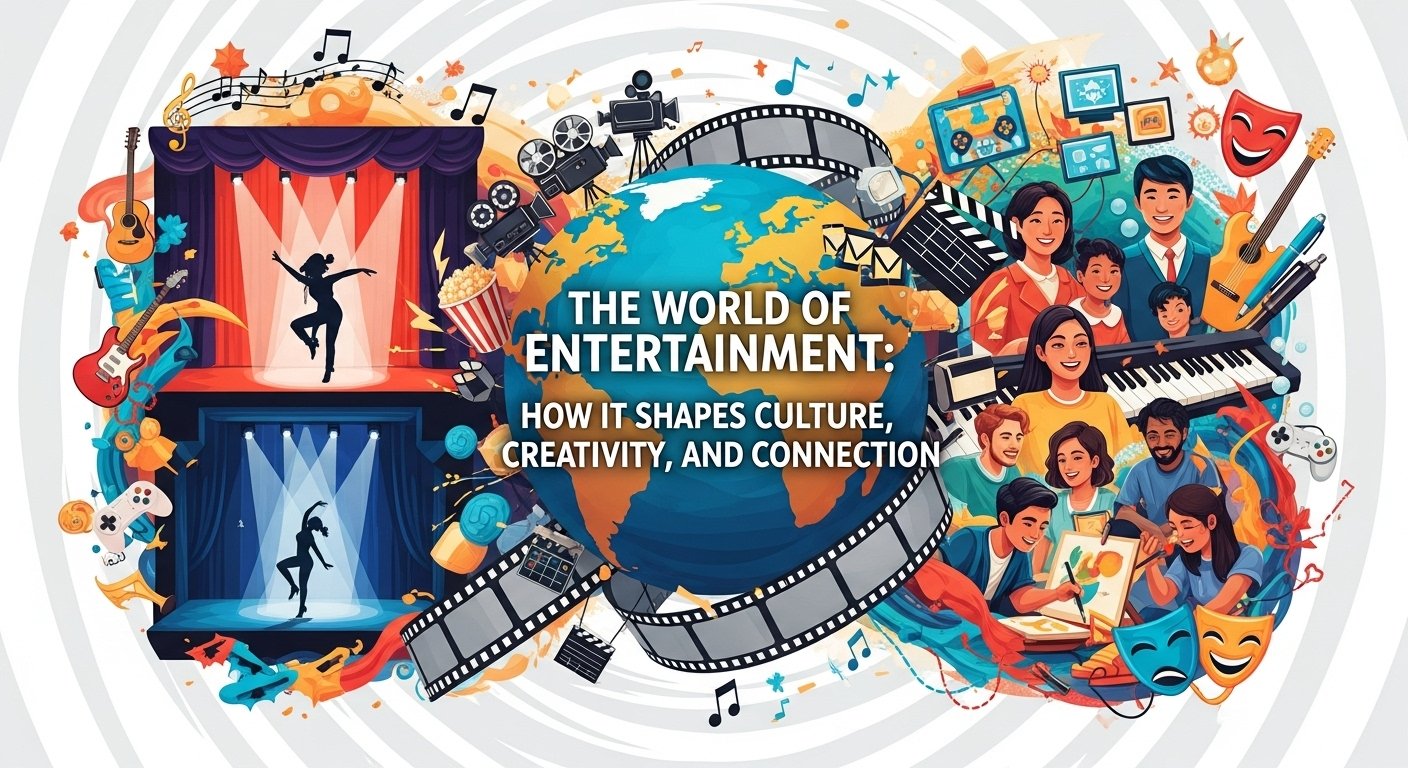
Entertainment in the Modern World: How Stories, Screens, and Stars Shape Everyday Life
Entertainment has become one of the most powerful forces in modern society. It surrounds us in ways that are both obvious and subtle, influencing how we relax, how we communicate, and even how we see the world. Whether it comes through movies, television shows, music
프라그마틱
games, or digital content, entertainment is no longer something people enjoy occasionally. It is woven into daily life, shaping moods, conversations, and cultural trends across generations.
In earlier times, entertainment was limited by place and time. People gathered in theaters, town squares, or living rooms to enjoy stories together. Today, entertainment travels instantly across the globe through screens, headphones, and digital platforms. A single piece of content can reach millions within hours, creating shared experiences among people who may never meet but feel connected through the same stories and emotions.
The Human Need for Entertainment
At its core, entertainment exists because humans need stories and emotional release. After long hours of work or study, people naturally seek comfort, excitement, or inspiration. Entertainment offers a safe space where emotions can be explored without real-world consequences. A movie can help someone escape stress for two hours, while a television series can provide companionship over weeks or even years.
Entertainment also satisfies curiosity. Through fictional worlds and real-life stories, people learn about different cultures, experiences, and perspectives. This emotional and intellectual engagement explains why entertainment remains essential in every era, regardless of technology or social change.
Movies as a Reflection of Society
Movies continue to hold a special place in the entertainment world. They combine visual beauty, sound, storytelling, and performance into a single powerful experience. More than simple amusement, films often reflect the values, fears, and hopes of the time in which they are made. Romantic films explore relationships and emotions, while action and fantasy films often symbolize struggles between good and evil or freedom and control.
Audiences connect deeply with movies because they mirror real life in creative ways. Characters face challenges, make mistakes, and grow, just like people in the real world. This emotional connection is what makes films memorable long after the credits roll.
Television and Series: Long-Lasting Emotional Bonds
Television shows and streaming series have transformed how stories are told. Unlike movies, series allow stories to unfold slowly, giving characters time to evolve naturally. Viewers often grow attached to characters, feeling as though they are part of their lives. Over multiple seasons, these fictional relationships can become emotionally meaningful.
This long-form storytelling encourages deeper engagement. Viewers discuss episodes, predict storylines, and share emotional reactions online. Television has shifted from background entertainment to a central cultural experience, often sparking global conversations.
Streaming Platforms and the Freedom of Choice
The rise of streaming platforms changed entertainment consumption forever. People are no longer restricted by schedules or physical media. Instead, they choose what to watch and when to watch it. This freedom has empowered audiences while also encouraging content creators to experiment with new ideas and storytelling styles.
Streaming platforms also expanded access to international entertainment. Audiences now explore content from different countries and languages, broadening cultural understanding. This global reach has made entertainment more diverse, inclusive, and representative of real-world experiences.
Music and Emotional Expression
Music remains one of the most emotionally powerful forms of entertainment. A single song can bring back memories, lift spirits, or provide comfort during difficult moments. Music connects people across cultures because emotions do not require translation. Whether it is played softly in the background or performed on a massive stage, music plays a constant role in human life.
In modern entertainment, music is everywhere. It shapes movie scenes, defines television moments, and fuels social media trends. Artists express personal experiences through sound, and listeners find pieces of themselves in those melodies and lyrics.
Digital Entertainment and Social Media Culture
Digital platforms introduced a new form of entertainment that is fast, interactive, and personal. Short videos, live streams, and viral content allow anyone to become a creator. Entertainment is no longer limited to professionals; everyday people now shape trends and influence audiences.
Social media entertainment thrives on authenticity and relatability. Viewers enjoy content that feels real and unfiltered. This shift changed audience expectations, making entertainment more immediate and emotionally accessible.
Gaming as an Immersive Experience
Gaming has evolved into one of the most immersive forms of entertainment. Modern games combine storytelling, visuals, music, and player choice into interactive experiences. Instead of simply watching a story unfold, players become part of it, influencing outcomes and exploring digital worlds.
This interactive nature creates strong emotional connections. Players invest time and effort, making victories feel rewarding and losses meaningful. Gaming communities also create social spaces where people connect, compete, and collaborate across borders.
The Role of Celebrities in Entertainment Culture
Celebrities represent another important aspect of entertainment. Actors, musicians, and digital creators influence fashion, language, and lifestyle trends. People follow celebrities not only for their talent but also for their personal stories and public personas.
With the rise of social media, celebrities appear more approachable than ever. This closeness strengthens fan loyalty and turns entertainment into a shared emotional experience rather than distant admiration.
Entertainment as Comfort and Escape
One of the most important roles of entertainment is emotional comfort. During stressful times, people turn to familiar shows, favorite movies, or relaxing music. Entertainment provides stability and reassurance when reality feels overwhelming.
This emotional support explains why certain films or series become comfort content. Rewatching familiar stories offers a sense of safety and nostalgia, reminding people of simpler moments and positive emotions.
The Business Behind the Magic
While entertainment feels effortless to audiences, it is supported by a massive industry. Writers, directors, performers, technicians, designers, and producers work together to bring stories to life. Every piece of content represents countless hours of creativity, planning, and collaboration.
Entertainment also drives economies, creates jobs, and influences global markets. From advertising to merchandise, the industry extends far beyond the screen.
Technology and the Future of Entertainment
Technology continues to push entertainment forward. High-quality visuals, immersive sound, and digital effects create more realistic experiences. Virtual reality and artificial intelligence promise new ways for audiences to interact with stories.
As technology evolves, entertainment will become even more personalized, allowing people to experience stories in ways that feel unique and immersive.
Why Entertainment Will Always Matter
No matter how much the world changes, entertainment will always remain essential. It connects people, preserves culture, and provides emotional relief. Stories help people understand themselves and others, making entertainment a powerful tool for empathy and human connection.
In every era, entertainment adapts to reflect society’s needs. Whether through ancient storytelling or modern streaming platforms, its purpose remains the same: to inspire, comfort, and bring people together.
Final Thoughts
Entertainment is more than something people watch or listen to. It is a reflection of human creativity and emotion. Through stories, music, and shared experiences, entertainment shapes culture and builds connections across the world. As technology advances and new voices emerge, the future of entertainment promises even deeper engagement and endless possibilities.
Related Article
How Movies Are Made: From an Idea to the Big Screen